



Key Takeaways
- Southeast Asia’s warm waters make wakeboarding accessible throughout much of the year, but heat, humidity, strong sun, and sudden rain still require preparation.
- Beginners should start at locations with suitable lessons, reliable equipment, and instructors familiar with cable parks, boat-towed sessions, and local weather conditions.
- Secure, quick-drying clothing can improve comfort during deep-water starts, repeated falls, and long waits between runs.
- Rash guards, supportive swimwear, and properly fastened board shorts are better suited to wakeboarding than loose cotton tops or unsecured clothing.
- Hydration, sun protection, equipment checks, and post-session recovery all help you stay comfortable and maintain better focus throughout the day.
Introduction
Wakeboarding has become increasingly popular across Southeast Asia, offering a combination of water sports, fitness, and outdoor adventure that appeals to both beginners and experienced riders. From cable parks to boat-towed sessions, the region provides plenty of opportunities to get on the water without travelling far from Singapore.
Learning how to wakeboard involves more than balancing on a board. Southeast Asia’s warm weather, tropical climate, and year-round riding conditions create a different experience from destinations with cooler seasons. Understanding these conditions, choosing suitable locations, and wearing appropriate clothing can help you enjoy the sport more comfortably from your very first session.
Getting Started With Wakeboarding in Southeast Asia
If you’re learning how to wakeboard, it helps to understand what makes the sport unique in this part of the world. Wakeboarding involves riding a board while being pulled across the water by either a cable system or a boat. Riders use the pull of the rope to glide across the surface, carve through the water, and eventually learn jumps and simple tricks.
Unlike countries with distinct riding seasons, Southeast Asia’s tropical climate allows wakeboarding throughout much of the year. Warm water means heavy insulation is rarely necessary, but heat, humidity, and prolonged sun exposure become important considerations instead. Afternoon thunderstorms are also common in some destinations, so checking the weather before your session is always worthwhile.
Compared to other sports, wakeboarding is especially accessible for beginners in Southeast Asia. Newcomers can learn without needing extensive cold-water equipment, while enjoying relatively consistent riding opportunities.
Where to Wakeboard Around Singapore and SEA
Singapore offers cable wake parks that provide a controlled environment for learning fundamental skills before progressing to more advanced features. For many riders, this is where confidence begins.
There are several destinations close to Singapore that are considered among the best wakeboarding locations. Batam offers convenient access for short trips, while Phuket and Bali combine wakeboarding opportunities with beach holidays. These destinations also offer wake schools that cater to beginners as well as more experienced riders.
Preparing for a Comfortable Wakeboarding Session
Learning how to wakeboard in Southeast Asia means preparing for warm water, high humidity, strong sun, and sudden weather changes. The right clothing, instructor, equipment, and recovery routine can help you stay comfortable and make better use of each session.
Choose Clothing That Works in Tropical Conditions
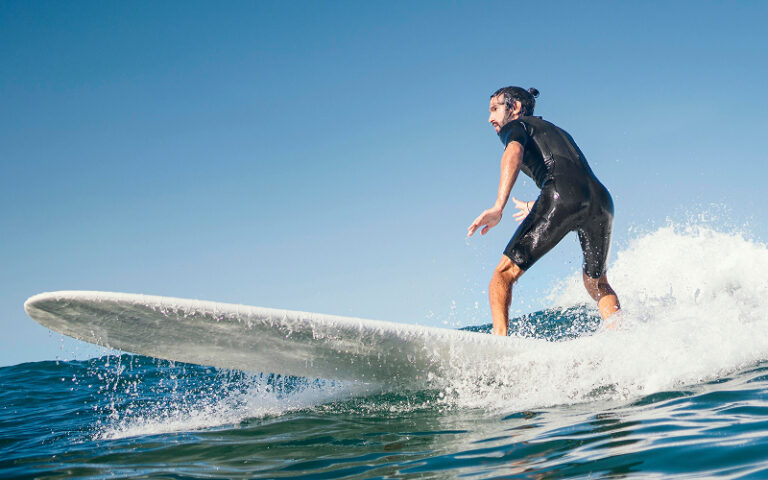
When deciding what to wear wakeboarding, choose pieces that dry quickly, stretch comfortably, and stay secure during deep-water starts, falls, and movement behind the cable or boat.
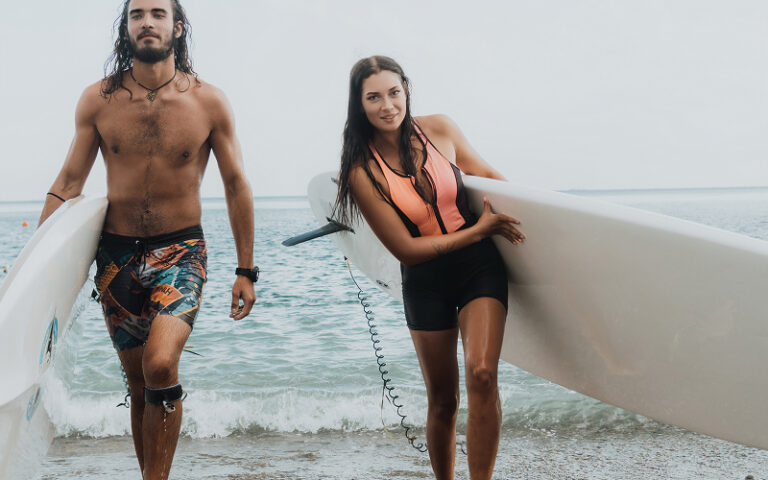
A fitted rash guard can reduce rubbing beneath the life vest while adding coverage during long hours outdoors. Pair it with board shorts that fasten securely and allow easy leg movement. For women, a supportive active swimsuit should remain in place during sudden movement and repeated falls.
Avoid loose cotton T-shirts, oversized shorts, unsecured bikini tops, and heavy fabrics that absorb water. These can become uncomfortable, shift during falls, or create extra drag. Before buying, check that straps, waistbands, and closures feel secure, then test the fit by raising your arms, squatting, and twisting your torso. Your clothing should move with you without riding up, digging in, or needing frequent adjustment.
Learn With an Instructor Familiar With Local Conditions
Before you learn how to wakeboard, look for an instructor who regularly teaches beginners and understands the differences between cable parks, boat-towed sessions, and local water conditions.
In Southeast Asia, weather can change quickly, so a good instructor should also explain what happens if rain, strong wind, or lightning affects the session. Ask how the lesson is structured, whether equipment is included, and how much individual coaching you will receive.
Smaller groups can make it easier to get feedback on body position, rope control, and deep-water starts before progressing to edging, carving, or small jumps.
Check Your Equipment Before Each Run
Cable parks and wake schools often provide boards, bindings, helmets, and life vests, but you should still check the fit before entering the water.
Make sure the life vest sits snugly without riding up, the helmet does not shift, and the bindings hold your feet securely without causing numbness. Beginners usually benefit from a larger, more stable board that is easier to control during starts.
Also confirm the riding direction, fall procedure, hand signals, and exit points, especially if the venue is busy or unfamiliar.
Manage Heat, Sun, and Post-Session Recovery
Wakeboarding in Southeast Asia often includes long waits between runs under direct sun. Drink water before the session, keep a bottle nearby, and take breaks before heat or fatigue starts affecting your balance.
Apply water-resistant sunscreen before riding and reapply after extended time in the water. A cap, sunglasses, and lightweight cover-up are useful while waiting on shore or travelling by boat.
After the session, change into dry clothing, rinse off salt or lake water where possible, and stretch your shoulders, lower back, and legs gently. A towel, sandals, and quick-drying top can make the journey back to your accommodation or any post-session plans much more comfortable.
Conclusion
Learning how to wakeboard in Southeast Asia is largely about preparing for the region’s conditions. Warm water makes the sport accessible throughout much of the year, but strong sun, humidity, sudden rain, and long periods outdoors still shape the experience.
Choosing the right location, learning with an instructor who understands local conditions, wearing secure performance clothing, and managing recovery between runs can all help you progress more comfortably.
At Hurley SEA, our wake-ready apparel is designed for the full session, from gearing up at a cable park to riding, recovering, and heading out afterwards. Fitted rash guards, secure board shorts, and quick-drying layers are built to handle repeated falls, life-vest friction, tropical heat, and time spent moving between water and shore.
Explore our latest collections and find performance pieces made for wakeboarding trips, cable-park sessions, and active days across Southeast Asia.