



Introduction
Many people associate sun protection with bright skies, intense heat, and visible sunshine. On cloudy beach days, it is easy to assume the risk is lower simply because conditions feel cooler and more comfortable. However, ultraviolet exposure does not disappear when clouds roll in. Invisible rays can pass through cloud cover and reflect off surfaces such as water and sand, exposing the skin and eyes even when the weather appears mild.
For beachgoers, surfers, swimmers, and outdoor enthusiasts, UV protection should not depend solely on how sunny it looks outside. While moderate sun exposure forms part of normal outdoor life, excessive exposure can contribute to skin irritation, premature ageing, and cumulative damage over time.
This is why enjoying the outdoors should go hand in hand with practical protection. Whether you are surfing, swimming, travelling, or simply spending time by the coast, understanding the importance of UV protection can help you stay comfortable while supporting long-term skin and eye health. From protective swimwear to performance-focused surfing apparel, the right clothing can play an important role in reducing unnecessary exposure during outdoor activities.
Key Takeaways
- UV protection remains important even when clouds reduce visible sunshine because ultraviolet rays can still reach the skin and eyes.
- Beach environments often increase exposure through reflection from water, sand, and surrounding surfaces.
- Combining sunscreen, protective clothing, hats, and sunglasses provides more reliable UV protection than relying on a single method alone.
Understanding Ultraviolet Rays and Their Effects

Where Ultraviolet Rays Come From
Ultraviolet rays are a form of energy produced naturally by the sun. Although they cannot be seen with the human eye, they remain present throughout daylight hours and continue to affect the body regardless of whether the skies are clear or cloudy.
The two most commonly discussed forms are UVA and UVB rays. UVA rays penetrate deeper into the skin and are often associated with premature ageing, pigmentation changes, and long-term skin damage. These rays remain relatively consistent throughout the day and can penetrate through clouds and certain types of glass. UVB rays are more commonly associated with sunburn and surface-level damage, although their intensity can vary depending on weather conditions, location, and time of day.
Beach environments can further increase exposure because sunlight reflects off water, wet sand, and other light-coloured surfaces. As a result, UV protection is important not only from direct overhead sunlight but also from exposure from multiple directions. In tropical coastal regions, this effect can remain significant throughout the year.
Why Excessive Exposure Can Be Harmful
Moderate sunlight exposure forms part of everyday outdoor life, but prolonged overexposure can place stress on both the skin and eyes. One of the most immediate effects is sunburn, which occurs when ultraviolet radiation damages skin cells faster than the body can repair them.
However, not all damage is immediately visible. Repeated exposure to harmful UV rays may gradually contribute to dryness, uneven skin tone, reduced elasticity, pigmentation changes, and visible signs of ageing. Extended outdoor exposure can also lead to eye discomfort and increased sensitivity to glare, particularly in coastal environments where reflective surfaces amplify overall exposure.
This is one reason why consistent UV protection is important for people who spend long periods outdoors. Activities such as surfing, swimming, paddleboarding, and beach sports often involve prolonged exposure with limited access to shade.
The effects of excessive exposure are not always noticeable after a single day outdoors. In many cases, the impact accumulates gradually over time through repeated exposure during everyday activities, holidays, and recreational pursuits. People who spend time near water may be particularly vulnerable because reflected radiation can increase overall exposure levels without producing obvious warning signs. Maintaining regular UV protection helps reduce unnecessary stress on the skin and eyes while allowing people to continue enjoying outdoor activities comfortably.
Why Some Sun Exposure Is Normal, but Excessive Exposure Is Risky
Sunlight itself is not inherently harmful. Controlled exposure supports vitamin D production and encourages outdoor activity, both of which contribute to overall wellbeing. The concern arises when exposure becomes excessive or occurs repeatedly without appropriate protection.
One challenge is that exposure often accumulates gradually. A person may not notice immediate discomfort during an overcast beach outing but may still experience tanning, sensitivity, or other signs of hidden sun damage later in the day. Over months and years, repeated exposure can contribute to cumulative stress on the skin and eyes.
Because of this, effective UV protection should be viewed as a regular habit rather than something reserved only for visibly sunny weather.
Many people assume that if their skin does not feel hot or appear red, they have avoided significant exposure. Unfortunately, ultraviolet radiation does not always produce immediate symptoms. Some forms of damage occur beneath the skin’s surface and may only become noticeable after years of repeated exposure. The goal is not to avoid sunlight entirely but to strike a balance between enjoying outdoor activities and minimising unnecessary exposure. Consistent UV protection helps support that balance, allowing people to spend time outdoors while reducing avoidable risks associated with long-term overexposure.
Why Exposure Still Happens on Cloudy Beach Days

Why Invisible Rays Are Still Present Even When the Sun Is Hidden
Cloud cover can reduce visible brightness, but it does not completely block ultraviolet radiation. Depending on cloud thickness and formation, a substantial amount of ultraviolet energy may still pass through and reach the ground.
This can be particularly misleading in overcast weather because people often judge exposure levels by temperature or brightness rather than by actual ultraviolet conditions. In tropical regions, the UV index can remain elevated even when skies appear grey, meaning UV protection is still necessary despite the absence of direct sunlight.
At the beach, exposure may increase further because water and sand continue reflecting sunlight back towards the body. As a result, beachgoers may spend longer outdoors without realising how much exposure they are still receiving.
Clouds can also create inconsistent conditions throughout the day. Periods of thicker cloud cover may be followed by thinner patches that allow more ultraviolet radiation to pass through. Because these changes are not always obvious, exposure levels can fluctuate without people noticing. This uncertainty is one reason why relying solely on visual cues is not always effective. Maintaining regular UV protection helps ensure more consistent coverage, especially during long beach outings where exposure accumulates over several hours.
How Cloudy Weather Can Still Affect Your Skin and Eyes
Many people skip sunscreen or protective clothing during cloudy weather because they assume conditions are safer. Unfortunately, this often results in longer periods of unprotected exposure.
Even on overcast days, ultraviolet radiation can contribute to tanning, dryness, irritation, eye discomfort, and glare-related fatigue. Windy or cooler conditions may further disguise early signs of exposure because the skin does not feel as warm as it would on a sunny day.
This is why UV protection should remain consistent regardless of weather conditions. Cooler temperatures do not necessarily indicate lower exposure levels.
Another factor is behavioural. When the weather feels mild, people are often more willing to remain outdoors for extended periods. A beach visit originally planned for an hour can easily stretch to several hours when the temperature is comfortable. During that time, ultraviolet radiation may continue affecting exposed areas of the body. The eyes are also vulnerable because reflected glare from water and sand remains present even when the skies are overcast. Consistent UV protection helps address both visible and invisible exposure, supporting comfort while reducing the likelihood of cumulative effects from repeated outdoor activities.
Which Beach Activities Increase Exposure?
Certain beach activities naturally increase exposure because they involve prolonged time outdoors with minimal shelter. Surfing and paddleboarding place participants directly on reflective water surfaces for extended periods, while swimming exposes large areas of skin for long durations.
Boating, kayaking, beach volleyball, and other coastal activities can also increase exposure because sunlight continues to reflect off both water and sand. Even relaxing by the shoreline can lead to considerable exposure when shade is limited.
For people who regularly participate in these activities, incorporating UV protection into their routine is an important part of overall outdoor comfort.
Signs You May Be Experiencing Too Much Exposure
The effects of overexposure do not always appear immediately. Some symptoms may develop gradually over several hours following outdoor activity.
Common signs include redness, dryness, tight-feeling skin, increased sensitivity, watery eyes, glare-related headaches, and general fatigue after prolonged exposure. While these symptoms vary from person to person, recognising them early can help individuals adjust their habits before discomfort becomes more severe.
Maintaining strong beach sun-safety habits helps reduce the likelihood of these issues and makes outdoor activities more enjoyable overall.
Practical Ways to Reduce Exposure on Cloudy Beach Days

Using Sunscreen Properly and Consistently
Sunscreen remains one of the most effective tools for everyday UV protection, regardless of weather conditions. However, many people apply too little product or overlook commonly exposed areas such as the ears, neck, eyelids, lips, hands, and feet.
Broad-spectrum sunscreen helps protect against different forms of ultraviolet radiation, while water-resistant formulas can be particularly useful during beach activities. Reapplication remains important after swimming, sweating, or towel drying.
For individuals spending extended periods outdoors, sunscreen works best when combined with other forms of UV protection rather than relying on it as a standalone solution.
Choosing Protective Beach Wear for Long Outdoor Sessions
Clothing provides an additional physical barrier that helps reduce direct exposure throughout the day. Unlike sunscreen, properly designed garments do not require frequent reapplication and continue providing coverage during activity.
Many people now incorporate UV-protective clothing into their beach routines because it provides consistent coverage over larger areas of the body. Rash guards, long-sleeve swim tops, and lightweight coverups are particularly useful for reducing exposure during extended outdoor sessions.
Choosing Protective Swimwear for Water Activities
Protective swimwear has become increasingly popular among beachgoers seeking reliable UV protection during water-based activities. Many modern garments are made from lightweight technical fabrics that remain comfortable even in warm, humid climates.
Items such as rash guards, swim leggings, and board shorts help reduce exposed skin while enhancing comfort and mobility. Many forms of UPF clothing are specifically engineered to block a higher percentage of ultraviolet radiation, making them practical options for surfing, swimming, and paddleboarding.
Wearing Protective Clothing Outside the Water
Protection should continue after leaving the ocean. Lightweight shirts, breathable coverups, and longer-cut cargo shorts, for instance, can help reduce direct exposure while maintaining comfort during walks, meals, or other beachside activities.
Many people now view protective beachwear as an essential part of their sun protective apparel, especially when spending several hours outdoors in coastal environments.
Additional Considerations for Swimwear With Less Coverage
Some swimwear styles naturally leave more skin exposed, making additional precautions especially important. Women’s swimsuits, for instance, tend to offer less coverage, so if you are wearing one, you might want to reapply sunscreen regularly, wear lightweight cover-ups, or seek shade.
Likewise, individuals who spend significant time outdoors may choose specialised protective garments designed to balance flexibility, comfort, and protection throughout long sessions near the water.
Protecting the Face and Eyes With Hats and Sunglasses
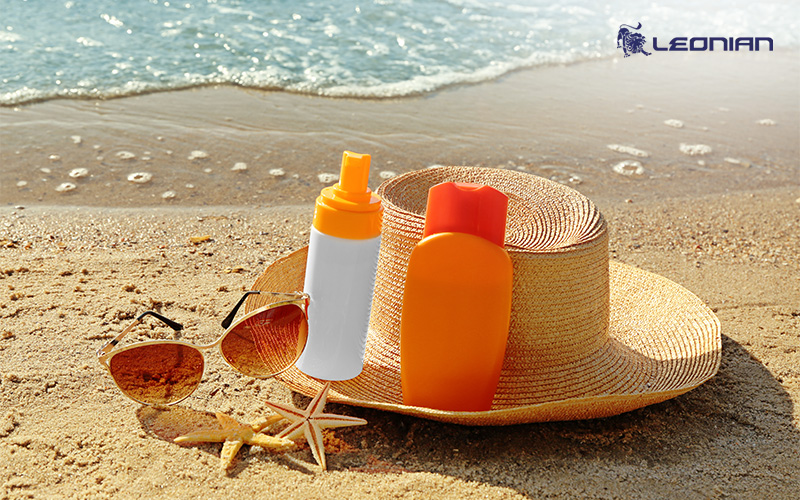
Effective UV protection should also include the face and eyes. Wide-brim hats, caps, and quality sunglasses help reduce exposure across areas that are frequently overlooked.
This becomes particularly important during activities such as boating, surfing, and long beach walks, where reflected glare from water and sand can remain intense even on cloudy days. Combining hats, sunglasses, sunscreen, and protective clothing creates a more complete approach to UV protection.
Frequently Asked Questions
Can you get too much sun exposure even without visible sunburn?
Yes. Not all exposure results in immediate redness or burning. Tanning, dryness, irritation, and other signs of cumulative exposure can still occur even when there are no obvious symptoms. This is one reason why regular UV protection remains important regardless of whether visible sunburn develops.
Can a beach umbrella fully protect you from ultraviolet exposure?
Beach umbrellas can help reduce direct sunlight, but they do not completely eliminate exposure. Reflected ultraviolet radiation from water and sand can still reach the skin and eyes from different angles. Combining shade with sunscreen, protective clothing, and other protective measures generally provides more reliable coverage.
Can repeated mild sun exposure add up over time?
Yes. Smaller amounts of repeated exposure can accumulate gradually over months and years. Even when individual outings seem harmless, long-term exposure may contribute to visible and invisible changes in the skin. Consistent protection helps reduce unnecessary cumulative exposure over time.
Conclusion
Cloudy skies may feel cooler and more comfortable, but they do not eliminate the need for UV protection. Ultraviolet rays can still reach the skin and eyes through cloud cover, while beach environments often increase exposure due to reflection from water and sand.
At Hurley SEA, we offer coastal-ready apparel designed for active lifestyles, including performance-focused surfwear, swimwear, and beach essentials that help support comfort during outdoor adventures. Whether you enjoy surfing, swimming, travelling, or simply spending time by the coast, combining sunscreen, protective clothing, hats, and sunglasses can help make every beach day safer and more enjoyable.
Shop now to explore Hurley SEA’s latest collection and discover practical solutions for comfort, performance, and reliable UV protection on every beach day.