


Introduction
Starting surfing for the first time can feel overwhelming. Beginners often focus on boards, lessons, and wave conditions, but understanding what to wear while surfing is equally important. The right clothing affects comfort, movement, confidence, and how long you can comfortably stay in the water.
Unlike casual beachwear, surf clothing is designed to handle repeated exposure to saltwater, sunlight, wind, and constant movement. Pieces that work well for relaxing by the shore may not perform as effectively during paddling, balancing, or spending extended periods in the ocean.
The good news is that building a surf wardrobe does not require an extensive collection of gear. A practical wardrobe focuses on versatile pieces that provide protection, support movement, and adapt to different conditions. Whether you are preparing for your first lesson or spending more time at the beach, understanding what to wear surfing can help you make more informed choices from the start.
Key Takeaways
- Understanding what to wear surfing begins with choosing clothing that supports movement, protection, and comfort rather than simply following trends.
- A practical surf wardrobe focuses on versatile essentials that match your climate, surfing frequency, and personal comfort preferences.
- Building your wardrobe gradually allows you to invest in clothing that genuinely suits your surfing lifestyle and environment.
What Is a Surf Wardrobe?

Why Surf Clothing Is Different From Regular Beachwear
At first glance, surfing and beachgoing may seem similar. Both involve water, sunshine, and outdoor activity. However, surfing places very different demands on clothing compared to casual swimming or relaxing by the shore.
Regular beachwear is often designed for short periods of leisure. Many fabrics used in standard swimwear or casual clothing absorb water, dry slowly, or shift during movement. While this may not be problematic when sunbathing, it can quickly become uncomfortable during active surf sessions. This is one of the first reasons beginners should understand what to wear surfing. Surf-specific clothing is designed to perform during repetitive movement in the water, helping surfers paddle, balance, dive beneath waves, and move comfortably throughout a session.
High-quality surfing apparel is also built to withstand prolonged exposure to saltwater, UV radiation, wind, sand, and board friction. Stretch fabrics, quick-drying materials, and protective construction methods help improve comfort during long sessions, allowing beginners to focus on learning technique rather than adjusting uncomfortable clothing.
Why Every Surfer’s Wardrobe Looks Different
There is no universal answer to what to wear surfing because every surfer’s circumstances are different. Climate is one of the biggest influences. A surfer in tropical Southeast Asia may spend most sessions wearing lightweight rash guards and shorts, while someone surfing in colder regions may require thermal layers and wetsuits.
Surfing habits and personal preferences also shape clothing choices. Someone who surfs occasionally may have different requirements from a person who spends several hours in the water every week. Some surfers prioritise freedom of movement and minimal coverage, while others focus on sun protection, support, or additional coverage. Many also prefer versatile wardrobes that transition easily between surfing, travel, workouts, and everyday wear.
Rather than comparing yourself to experienced surfers or social media trends, it is more useful to build a wardrobe around your own environment, comfort level, and surfing goals when deciding what to wear surfing.
Why Beginners Do Not Need a Large Surf Wardrobe
One of the most common misconceptions among newcomers is that surfing requires a large collection of specialised gear. In reality, most beginners need only a few reliable surf clothing essentials to get started.
A practical wardrobe may include one or two rash guards or surf tops, comfortable swimwear or shorts, lightweight post-surf clothing, and a few basic sun-protection accessories. The goal is not to purchase everything immediately, but to focus on building a surf wardrobe around versatile pieces that work across multiple activities, from surfing and swimming to travel and outdoor exercise.
For many people, the ideal surfwear for beginners comes down to prioritising comfort, freedom of movement, durability, climate suitability, and fit. Starting with a smaller collection also allows you to learn what works best before making larger investments, resulting in a wardrobe that develops naturally alongside your surfing experience.
Features That Matter in High-Quality Surf Wear

Sun Protection for Long Hours Outdoors
One of the biggest differences between surfing and casual swimming is the amount of time spent exposed to direct sunlight. Many surfers spend several hours outdoors during a single session, often with little access to shade. Water further increases exposure by reflecting sunlight back towards the body, meaning significant UV exposure can occur even on overcast days.
For this reason, sun protection should be a major consideration when deciding what to wear while surfing. Rash guards, long-sleeve surf tops, surf leggings, and UPF-rated fabrics help create a protective barrier between the skin and the environment while providing more consistent coverage than sunscreen alone during extended sessions. In tropical climates, lightweight long-sleeve garments often offer an effective balance between protection and breathability, allowing surfers to stay comfortable in the water for longer.
Thermal Protection and Insulation
Many beginners underestimate how quickly body temperature can change while surfing. Even in relatively warm climates, extended periods in the water combined with wind exposure can cause discomfort, particularly during early-morning sessions or in changing weather conditions.
When considering what to wear while surfing, thermal protection should always be evaluated based on actual conditions. Wetsuits provide insulation by trapping a thin layer of water against the skin, while lighter options such as neoprene tops or rash guards may provide sufficient warmth in tropical environments. The right choice depends on water temperature, wind exposure, session duration, and personal comfort levels. Remaining appropriately warm helps surfers conserve energy, maintain focus, and enjoy longer sessions in the water.
Skin Protection During Repetitive Movement
Surfing creates constant contact between the body, clothing, and surfboard. Repeated paddling and movement can generate friction around the chest, underarms, neck, thighs, and torso, particularly during longer sessions.
Understanding what to wear surfing, therefore, involves more than selecting suitable swimwear. High-quality surfwear is designed to minimise irritation by using smooth technical fabrics, flat seams, and secure fits that reduce skin contact. This is especially beneficial for beginners, who often spend more time paddling as they develop their technique. By creating a protective barrier against friction, saltwater, and sand, suitable clothing helps improve comfort both during and after surfing.
Flexibility and Freedom of Movement
Surfing demands constant movement across multiple positions. Paddling requires repetitive shoulder motion, standing involves explosive lower-body movement, and turning on a board relies on flexibility through the hips and torso. Clothing that restricts these movements can quickly become uncomfortable and distracting.
This is why flexibility is such an important consideration when deciding what to wear for surfing. High-quality surfwear uses stretch fabrics and lightweight materials that move naturally with the body while maintaining a secure fit. Four-way stretch fabrics are particularly popular because they allow unrestricted movement in multiple directions. Combined with lightweight construction that reduces water retention and drag, these materials help surfers focus on technique and enjoyment rather than adjusting their clothing.
Choosing Practical Surf Wear for Water Activities
Rash Vest or Wetsuit?
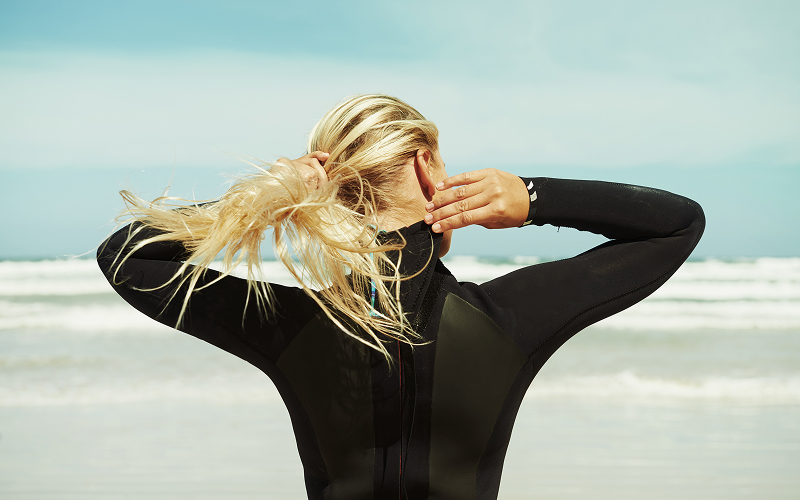
One of the first questions beginners ask when learning what to wear surfing is whether they need a rash vest or a wetsuit. It largely depends on the climate, water temperature, and how often you plan to surf.
Rash Vests for Warm Conditions
In tropical climates, rash vests are often the most practical choice. They provide protection against UV exposure, help reduce skin irritation, and offer a light layer of insulation without trapping excessive heat.
Many surfers choose rash guards because they are versatile enough to wear while surfing, swimming, paddleboarding, and participating in other beach activities. Long-sleeve designs offer greater sun protection, while short-sleeve options provide additional airflow in particularly hot conditions.
For many beginners figuring out what to wear when surfing, a quality rash vest is one of the first items worth purchasing.
Wetsuits for Colder Conditions
When water temperatures drop or wind exposure increases, wetsuits provide additional insulation and comfort. They help maintain body temperature during longer sessions and can make a considerable difference to overall endurance in the water.
Different wetsuit styles serve different purposes, ranging from lightweight spring suits to full-length options designed for colder environments. The ideal choice depends on local conditions rather than trends or aesthetics.
As experience grows, many surfers build wardrobes that include both rash guards and wetsuits for different environments and travel destinations.
Board Shorts or Swim Shorts?
Board shorts and swim shorts may appear similar at first glance, but they are designed for different activities.
Why Board Shorts Are Popular for Surfing
When deciding what to wear surfing, many surfers gravitate towards board shorts because they are specifically designed for active water sports.
They are generally lightweight, quick-drying, and built to stay secure during movement. Longer cuts can also help reduce friction against the surfboard while paddling.
Many modern designs incorporate stretch materials that improve flexibility, making them particularly suitable for surfing and other dynamic activities.
Swim Shorts for Casual Water Use
Traditional swim shorts are often more relaxed in fit and may work perfectly well for casual swimming or spending time at the beach. However, they are not always designed to withstand the repeated movement involved in surfing.
For beginners seeking versatility, surf-oriented shorts often strike a practical balance between performance and everyday comfort.
Bikini, One-Piece, or Tankini?
Women entering the sport often explore different options when deciding what to wear surfing. Comfort, support, coverage, and confidence all play a role in choosing the right style.
Choosing Sport-Oriented Bikini Options
A secure bikini set can work well for surfing, particularly in warm climates. However, support and fit become especially important during active movement.
Styles designed specifically for water sports generally perform better than fashion-focused swimwear because they are less likely to shift during paddling, wipeouts, or wave impacts.
One-Piece Swimwear for Coverage and Stability
A one-piece swimsuit remains a popular choice among beginner and experienced surfers alike. The additional coverage and stability can help reduce distractions during sessions, allowing surfers to focus on technique and enjoyment.
Many one-piece designs also incorporate long sleeves or higher necklines that provide extra sun protection.
Tankinis as a Flexible Alternative
Tankinis offer a middle ground between bikinis and one-pieces. They provide greater torso coverage while maintaining the convenience of separate pieces.
As far as surfing outfit ideas go, tankinis can be a practical option that combines flexibility, comfort, and modesty.
Ultimately, there is no single correct answer regarding what to wear surfing. The most suitable option is the one that allows you to feel comfortable and confident in the water.
Essential Clothing Beyond the Water
Quick-Drying Clothing for Post-Surf Comfort
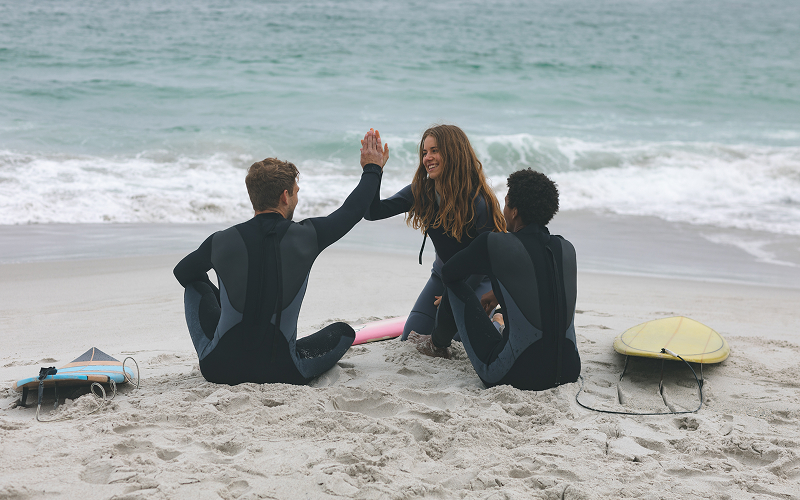
A surf wardrobe extends beyond what is worn during a session. What you wear afterwards can significantly affect comfort, particularly in humid coastal environments.
Quick-drying shirts, shorts, and lightweight layers help regulate body temperature and reduce discomfort from staying in wet clothing for extended periods.
Many surfers prefer versatile pieces that transition easily between beach sessions, travel, workouts, and casual outings. This flexibility is one reason why surf lifestyle clothing has become increasingly popular among coastal communities.
When considering what to wear surfing, it is worth thinking beyond the session itself and planning for the hours before and after entering the water.
Lightweight Layers for Beach Recovery
Even in warm climates, wind exposure and long periods in the water can leave surfers feeling cooler than expected.
Lightweight hoodies, pullovers, wraps, and overshirts can help maintain comfort during recovery periods. They are particularly useful during early mornings, sunset sessions, boat rides, or post-surf meals.
These pieces often become part of a surfer’s wider collection of beachwear essentials, helping bridge the gap between technical surf gear and everyday clothing.
Appropriate Footwear for Surf Environments
Footwear is sometimes overlooked when people think about what to wear surfing, yet it can play an important role both before and after entering the water.
Different surf environments present different challenges. Hot sand, rocky shorelines, reefs, and slippery surfaces can all affect comfort and safety around the beach.
Simple slides or sandals are often sufficient for sandy beaches, while water shoes may provide additional protection in areas with rocks or reefs. Travellers who surf in a variety of locations may benefit from keeping multiple footwear options available.
The goal is not to overcomplicate your wardrobe but to ensure that you can move comfortably and confidently through different coastal environments.
Hats and Sun-Protective Accessories
Surfers often spend substantial time outdoors both before and after their sessions. As a result, sun-protective accessories deserve a place in any practical surf wardrobe.
Wide-brim hats, surf caps, and adjustable beach hats can help reduce UV exposure and improve comfort during long days outdoors. Many surfers also incorporate sunglasses, neck coverings, and other protective accessories depending on local conditions.
These items may seem small, but they can significantly improve overall comfort and complement the broader approach to what to wear surfing.
How to Care for New Surf Wear
Surf Wear Care Habits
Once you have established a clothing collection, proper care becomes essential. These garments are regularly exposed to saltwater, sunlight, sand, and repeated stretching. Without appropriate maintenance, performance fabrics may lose elasticity, fade, or become less comfortable over time.
Rinse Clothing After Every Session
Saltwater and sand can gradually wear down fabric fibres if left untreated. Rinsing garments with fresh water after each session helps remove residue and preserve performance features.
Avoid Harsh Washing Methods
Technical fabrics often require gentler treatment than everyday clothing. Strong detergents, bleach, and excessive heat may reduce elasticity and shorten the lifespan of garments.
Dry Clothing Properly
Wet garments should be allowed to dry fully before storage. Keeping damp clothing in bags or enclosed spaces can lead to odours and fabric deterioration.
Rotate Between Pieces
For surfers who enter the water frequently, rotating surfwear items can help reduce wear and extend the lifespan of individual garments.
Understanding how to care for your clothing is an important part of learning what to wear when surfing, as proper maintenance helps ensure that garments continue to perform as intended.
Frequently Asked Questions
Should surf clothing fit tightly or loosely?
The ideal fit depends on the type of garment. Rash guards and wetsuits are usually designed to fit closer to the body to reduce drag, minimise chafing, and prevent excess fabric from shifting during movement. Outer layers such as shorts, hoodies, or post-surf clothing can have a more relaxed fit for comfort. The key is to choose clothing that feels secure without restricting your range of motion while surfing.
Is expensive surfwear necessary for beginners?
Not necessarily. Beginners do not need to invest in the most technical or premium products to get started. It is often more important to focus on comfort, durability, sun protection, and suitability for local conditions. A small collection of reliable essentials that fit well and support movement can be far more valuable than purchasing expensive gear before you understand your personal preferences and surfing habits.
What colours are best for surf clothing in hot weather?
Many surfers prefer lighter colours such as white, light grey, pastel blue, or beige because they tend to absorb less heat when exposed to direct sunlight. Darker colours like black, navy, or charcoal may retain more heat, which can feel less comfortable during long sessions in hot weather. However, colour choice often comes down to personal preference, visibility, and style, particularly when selecting surf clothing for different environments and conditions.
How much clothing do beginners need?
Most beginners can start with a relatively small wardrobe. A rash guard or surf top, a reliable pair of shorts or swimwear, and a few lightweight post-surf clothing options are often enough for regular sessions. As you gain more experience, you will naturally develop preferences for certain styles, levels of coverage, and weather conditions. Starting small allows you to build your wardrobe gradually based on actual needs rather than assumptions.
Conclusion
Building a surf wardrobe from scratch does not require an extensive collection of specialised gear. The goal is simply to understand what to wear surfing and choose clothing that supports comfort, protection, movement, and confidence in the water.
At Hurley SEA, we offer a wide range of apparel designed for life on and around the coast, from technical surf tops and shorts to versatile clothing that transitions seamlessly beyond the beach. Whether you are exploring your options for the first time or refining your existing wardrobe, choosing practical, well-designed pieces can make every session more enjoyable.
Contact us today to explore Hurley SEA’s latest collection and find comfortable, functional gear designed for every stage of your surfing journey.